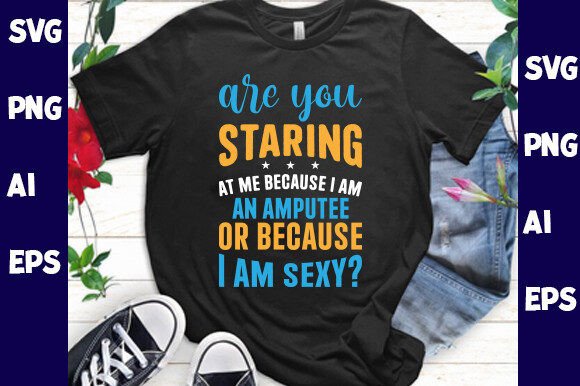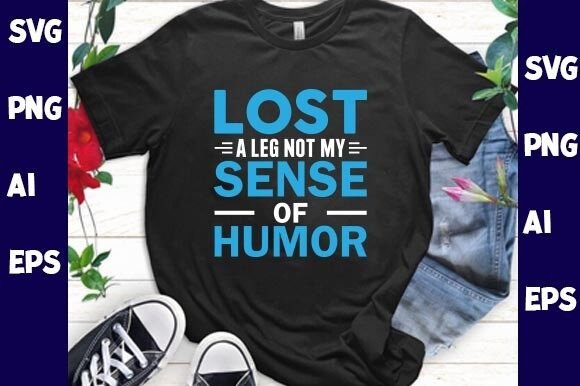
Embracing Resilience Through Design: The Story and Utility of the "I've Lost a Leg, Not My Sense of Humor" Digital Artwork
In the world of digital crafting and personal expression, few things are as powerful as humor combined with resilience. The phrase "I've lost a leg, not my sense of humor" is more than just a witty caption; it is a statement of defiance, acceptance, and unshakeable spirit. For creators, entrepreneurs, and DIY enthusiasts, this specific digital artwork offers a unique opportunity to merge meaningful messaging with high-quality design. Whether you are looking to start a handmade business or simply want to create a personalized gift for someone who has overcome significant challenges, understanding how to utilize these digital assets is key to bringing your vision to life.
This article explores the significance of this particular design, the technical benefits of using multi-format digital files, and how you can seamlessly integrate these assets into your creative projects using popular cutting software like Cricut Design Space and Silhouette Studio.
The Power of Narrative in Custom Design
Before diving into the technical aspects of file formats, it is essential to understand why designs like this resonate so deeply with audiences. Modern consumers are increasingly drawn to products that tell a story. A t-shirt or a wood sign featuring a humorous yet poignant message about amputation does more than decorate a surface; it sparks conversation, offers solidarity, and celebrates strength.
Humor is a coping mechanism, but it is also a connector. By creating items with this specific text, you are tapping into a niche market that values authenticity. This is particularly relevant for:
- Amyputee Communities: Individuals who have experienced limb loss often seek out merchandise that reflects their reality without being overly sentimental.
- Caregivers and Supporters: Friends and family members often look for ways to show support through tangible, thoughtful gifts.
- Motivational Speakers and Coaches: Professionals who focus on overcoming adversity may use such designs to reinforce their brand identity.
When you offer a product that balances wit with weightiness, you provide value that goes beyond the physical object. You are providing emotional resonance.
Understanding Your Digital Assets: What’s Inside the Download?
One of the most common questions beginners ask when purchasing digital cut files is: "What exactly do I get?" High-quality digital artwork packages are designed to be versatile, ensuring that whether you are a novice crafter or a professional manufacturer, you have the tools you need. Typically, a premium download for a design like this includes four distinct file types, each serving a specific purpose in the production pipeline.
1. The SVG File (Scalable Vector Graphics)
The SVG file is the holy grail for cutting machines. It is a vector-based format, meaning it uses mathematical equations to define shapes rather than pixels. This allows you to scale the design up to the size of a billboard or down to the size of a ring tag without losing any quality. If you are using Cricut Design Space or Silhouette Studio, the SVG file is what you will upload first. It ensures that the cutting blade follows the exact contours of the text and any accompanying graphics perfectly.
2. The PNG File (Portable Network Graphics)
While SVGs are for cutting, PNGs are for printing. This is a raster image format that supports transparency. This means if your design has a background color, you can remove it, leaving only the text and graphic elements. This is crucial for:
- Sublimation Printing: When transferring ink onto mugs, tumblers, or polyester fabrics.
- DTG (Direct-to-Garment) Printing: Sending the image to a printer that sprays ink directly onto cotton shirts.
- Digital Use: Sharing the image on social media or using it in Canva for custom invitations.
3. The AI File (Adobe Illustrator)
The AI file is the editable source file. It is primarily intended for designers who want to modify the typography, adjust colors, or combine this design with other elements before finalizing it for production. Even if you do not use Adobe Illustrator, having this file ensures that the original artistic intent is preserved in a high-resolution, editable state.
4. The EPS File (Encapsulated PostScript)
Similar to the SVG, the EPS file is a vector format but is widely compatible with a broader range of professional design software, including CorelDRAW and Inkscape (a free alternative). It serves as a backup vector file, ensuring compatibility if your primary cutting software encounters issues reading the SVG.
From Digital File to Physical Product: Practical Applications
Once you have downloaded your package containing the SVG, PNG, AI, and EPS files, the possibilities for creation are nearly endless. Here is how you can apply this specific design across various mediums.
Apparel and Fashion Accessories
T-shirts are the most obvious choice, but don't stop there. Consider applying the design to:
- Hoodies and Sweatshirts: Embroidery or heat-transfer vinyl (HTV) works beautifully for a softer, textured look.
- Tote Bags: Canvas bags with this message make excellent tote bags for medical appointments or daily errands, serving as a subtle conversation starter.
- Aprons: Perfect for the cook who doesn't let anything slow them down, including physical challenges.
Home Decor and Lifestyle Items
Wood signs are a staple in the DIY community. Using the SVG file in your cutting software, you can cut intricate lettering from plywood or MDF. Paint these signs in bold, contrasting colors to make the humor pop. Additionally, consider:
- Pillow Cases: Use sublimation paper and a heat press to transfer the PNG version onto fabric pillowcases.
- Wall Art: Print the PNG on high-quality cardstock and frame it for a modern, minimalist aesthetic.
Drinkware and Party Supplies
Tumblers and mugs are highly functional gifts. Because the PNG file supports transparency, you can ensure the design wraps perfectly around the curve of a stainless steel tumbler without unwanted white backgrounds interfering with the liquid area. For parties, you can use the SVG to create custom cake toppers, banner flags, or even labels for favor boxes.
Technical Tips for Success
To ensure your final product looks professional, keep these best practices in mind:
- Check Your Layers: When uploading an SVG to Cricut or Silhouette, always check the layers panel. Ensure that text and graphic elements are grouped correctly so they cut as one piece.
- Material Selection: Test your design on scrap material first. Different materials (vinyl, fabric, wood, metal) require different blade depths and pressure settings.
- Resolution Matters: Always use the highest resolution available for your PNG files. Blurry images result in pixelated prints, which can detract from the impact of the message.
- Color Matching: Since you have access to the AI file, you can tweak colors to match specific branding guidelines or seasonal themes before exporting your final print-ready files.
Conclusion: More Than Just a File
Acquiring the "I've Lost a Leg, Not My Sense of Humor" digital artwork is the first step in a creative journey that connects you with a community of resilient individuals. By leveraging the versatility of SVG, PNG, AI, and EPS files, you can transform a simple digital concept into tangible objects that inspire, comfort, and entertain.
Whether you are designing for your own wardrobe, creating a heartfelt gift for a loved one, or building a thriving online store, remember that the quality of your execution matters as much as the quality of the message. With the right tools—like Cricut Design Space or Silhouette Studio—and a clear understanding of how to use these digital assets, you are well-equipped to bring this powerful sentiment to life. Embrace the creativity, respect the narrative, and let your work speak volumes.