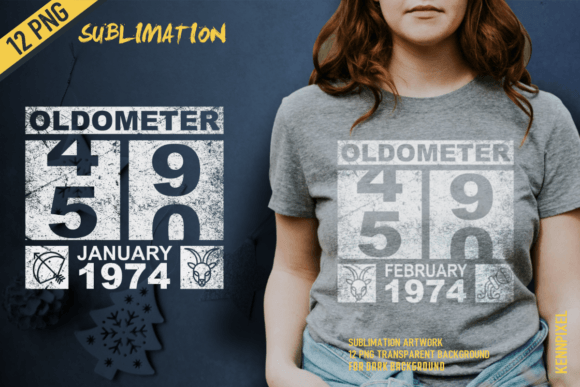
Oldometer 49-50 Born in January 1974
Turning fifty is a significant milestone, often described as hitting the halfway mark or entering a new chapter of life with renewed perspective. For those born in January 1974, this birthday arrives with a specific numerical weight that many wish to celebrate with humor and style. The Oldometer 49-50 Born in January 1974 design has become a popular choice for individuals looking to commemorate this transition without taking themselves too seriously. It serves not just as a date marker, but as a playful nod to the miles accumulated on the body and mind.
However, before you proceed to download, print, or purchase apparel featuring this design, it is crucial to understand exactly what you are acquiring. Misunderstandings about file formats and usage rights are common pitfalls that can lead to wasted money and frustrated projects. This guide aims to clarify the specifics of this digital asset, helping you avoid common errors and ensuring your 50th birthday celebration—or gift for someone else—is executed flawlessly.
Understanding the Digital Asset
The core of this product is a high-resolution graphic designed for direct application onto physical items. When you engage with the Oldometer 49-50 Born in January 1974 theme, you are typically looking at a visual representation of age counting, often styled to resemble an odometer or a vintage gauge. The specific listing associated with this description provides twelve distinct PNG files. These are not vector files; they are raster images, which means they are composed of pixels rather than mathematical paths.
Each image boasts a resolution of 300 DPI (dots per inch) and dimensions of 4500 x 4500 pixels. In practical terms, this translates to a physical size of 15 x 15 inches at full quality. This resolution is ideal for most standard printing needs, including t-shirts, mugs, greeting cards, and stickers. The clarity ensures that when printed, the text "Born in January 1974" and the "Oldometer" graphics remain sharp and legible, avoiding the blurry artifacts that plague low-quality downloads.
Clarifying Format Limitations
A frequent source of confusion among creators and buyers is the distinction between PNG and DXF formats. It is vital to note that this download does not include DXF cutting files. If your intention is to use a vinyl cutter, such as a Cricut or Silhouette machine, to create decals or intricate cut-out designs, this file will not work directly. DXF files contain the vector data required by cutting machines to follow precise lines. PNG files, while excellent for printing, do not provide the cut lines needed for vinyl application.
This limitation is not a defect but a specification of the design’s intended use. The creator has optimized these files for direct print or sublimation application. Sublimation involves transferring ink from paper to fabric using heat and pressure, a process that relies entirely on high-resolution raster images like the ones provided here. Vinyl cutting, conversely, requires vector data. Attempting to force a PNG into a cutting workflow will result in poor registration, jagged edges, and a finished product that looks unprofessional. Recognizing this distinction early saves time and prevents the frustration of trying to make square pegs fit into round holes.
Common Mistakes in Application
Even with high-quality assets, errors can occur during the production phase. One of the most overlooked details is the aspect ratio and placement. While the files are square (4500x4500), the layout of the design within that square matters. Placing a square graphic on a rectangular t-shirt chest area without adjusting the crop or background can leave awkward white space or distort the composition. Always preview the design on a mockup of the actual item before committing to a bulk order.
Another common error involves color management. PNG files often support transparency, meaning the background is clear. However, if you are printing on dark-colored fabrics, ensure your printer or service provider handles transparent backgrounds correctly. Some basic home printers may add a white box around the image instead of leaving it transparent, which can look messy on dark shirts. Using professional sublimation services usually mitigates this risk, as they are accustomed to handling transparent PNGs for all-over prints.
File Usage and Licensing
When evaluating digital products, always review the license terms. The description specifies that the files are for Personal Small Business use. This is a nuanced category. It generally means you can sell physical items made from these designs (like shirts or mugs) but cannot resell the digital files themselves. You cannot bundle these PNGs into another digital package and sell that package. Understanding this boundary protects you from copyright infringement issues.
Furthermore, consider the audience. A design referencing "Oldometer" and "49-50" resonates strongly with the baby boomer generation approaching their golden years. However, younger relatives buying gifts for parents or grandparents should ensure the tone matches the recipient’s sense of humor. Some may find the emphasis on mileage and age endearing; others might prefer a more subtle approach. Always gauge the recipient’s attitude toward aging before finalizing the gift choice.
Maximizing Quality and Satisfaction
To get the best results from the Oldometer 49-50 Born in January 1974 design, preparation is key. Start by selecting the right base material. For sublimation, polyester-rich fabrics yield the most vibrant colors because the ink bonds chemically with the fibers. Cotton blends do not sublimate well; the ink sits on top of the fabric and may crack or fade after washing. If you want a soft, cotton-like feel, consider using transfer papers designed for home printers, though the durability may not match professional sublimation.
Check your software settings before printing. Ensure your printer driver is set to "High Quality" or "Photo" mode. Disable any automatic color correction features that might alter the vibrancy of the design. The 300 DPI rating assumes that your output device can reproduce that density. Printing at lower resolutions on a standard office printer will result in pixelation, defeating the purpose of purchasing a high-res file.
- Verify File Integrity: Download the files and open them in your editing software to ensure they are not corrupted and display correctly.
- Test Print: Always run a test print on plain paper first. Check for alignment, color accuracy, and text readability.
- Mockup Review: Use online mockup generators to visualize how the 15x15 inch design will look on different products like hoodies, tote bags, or ceramic mugs.
Conclusion
The journey to 50 is a celebration of experience, resilience, and humor. The Oldometer 49-50 Born in January 1974 design offers a creative way to mark this occasion, particularly for those who appreciate a lighthearted take on aging. By understanding the technical specifications—specifically the PNG format, high resolution, and sublimation focus—you can avoid common pitfalls related to vinyl cutting and print quality. Whether you are a seasoned crafter or a beginner creating a heartfelt gift, paying attention to these details ensures that the final product reflects the care and thought you put into the gesture. Remember, the value lies not just in the image, but in how effectively and appropriately you apply it to bring joy to the birthday celebrant.