Places of Interest Printable Graphic 21: A Strategic Asset for Visual Communication
In an era where digital saturation dictates attention spans, the ability to communicate complex ideas or evoke specific emotions through concise visual assets is no longer a luxury—it is a strategic necessity. For entrepreneurs, marketers, educators, and creative professionals, the gap between having a vision and executing it often lies in the quality and accessibility of design resources. This is where Places of Interest Printable Graphic 21 emerges not merely as a decorative file, but as a versatile tool for efficient expression and professional presentation.
This graphic asset is designed to bridge the divide between high-quality artistic intent and the practical constraints of modern production. Whether you are looking to impress clients with tangible materials, enhance your personal brand, or simply fill a physical space with meaningful imagery, understanding how to leverage this resource effectively can significantly impact your operational efficiency and aesthetic outcomes.
The Strategic Value of High-Quality Print Assets
While digital presence is paramount, the tactile nature of print remains a powerful differentiator in business and personal branding. A well-designed graphic displayed in a physical environment creates a lasting impression that pixels on a screen often fail to replicate. Places of Interest Printable Graphic 21 addresses this need by providing a solution that is both accessible and adaptable.
The core value proposition of this graphic lies in its technical specifications and versatility. It is delivered as a high-resolution printable file at 300 dpi, which is the industry standard for crisp, professional printing. This resolution ensures that whether the image is viewed from a distance or up close, the details remain sharp and the colors vibrant. By obtaining this pack, users gain immediate access to a resource that eliminates the friction typically associated with custom graphic design projects, such as hiring designers, waiting for revisions, or dealing with incompatible file formats.
Versatility Across Multiple Use Cases
One of the most compelling aspects of Places of Interest Printable Graphic 21 is its adaptability. Modern life imposes diverse circumstances on our need to communicate, and a rigid design asset rarely fits all scenarios. This graphic solves that problem by being optimized in seven standardized sizes, allowing for seamless integration into various workflows.
- Social Media & Digital Marketing: While primarily a print asset, high-resolution images can be repurposed for digital banners, website headers, or social media posts where clarity is key.
- Physical Collateral: The inclusion of sizes like 4x6, 5x7, and 8x10 makes it ideal for small business cards, postcards, and greeting cards that require a personal touch.
- Large Format Displays: With dimensions extending to 16x20, 20x30, and 24x36, this graphic supports larger applications such as office wall art, exhibition banners, and promotional displays.
- Merchandising & Textiles: The high DPI ensures suitability for sublimation printing on mugs, textiles, and other promotional items, expanding the utility of the graphic beyond paper.
For educators, this asset can serve as an engaging visual aid in classrooms or training materials. For freelancers and bloggers, it offers a quick way to create branded content without diverting focus from core content creation tasks. The ability to download directly and immediately means that time-sensitive projects can proceed without delay, preserving momentum and productivity.
Enhancing Brand Identity and Customer Experience
Branding is not just about logos and color palettes; it is about the holistic experience a customer or client has with your work. Displaying pieces of art in your home, office, or business setting communicates values, taste, and attention to detail. Places of Interest Printable Graphic 21 allows individuals to express what they have inside—whether that is a passion for travel, architecture, culture, or abstract aesthetics—in a manner that is elegant and efficient.
When used strategically, this graphic can elevate the perceived value of a service or product. Imagine a real estate agent leaving a beautifully printed 8x10 copy of this graphic alongside property listings, or a consultant displaying a 16x20 version in their office lobby. These subtle cues signal professionalism and thoughtfulness, fostering trust and rapport with clients. It transforms a generic interaction into a curated experience.
Practical Implementation and Planning
To maximize the return on investment of using Places of Interest Printable Graphic 21, it is essential to approach its usage with intention rather than randomness. Here are several planning tips to consider:
- Define the Objective: Before printing, determine the primary goal. Is this for internal motivation, client gifting, or public advertising? The objective will dictate the chosen size and placement.
- Select the Appropriate Size: Utilize the provided seven sizes (4x6, 5x7, 8x10, 11x14, 16x20, 20x30, 24x36) to match the viewing distance and context. Smaller sizes work best for handouts or personal desks, while larger sizes command attention in shared spaces.
- Choose Quality Paper: To fully appreciate the 300 dpi resolution, pair the graphic with high-quality matte or glossy paper stock. Cheap paper can diminish the visual impact, regardless of the digital file's quality.
- Consider Framing and Display: Plan for the final presentation. Simple frames can enhance the elegance of the graphic, making it suitable for corporate environments or upscale retail spaces.
Furthermore, consider the consistency of your messaging. If Places of Interest Printable Graphic 21 aligns with your brand’s theme, integrate it into a broader campaign. For instance, if your brand focuses on exploration, use this graphic in travel-related newsletters or blog posts, ensuring the visual narrative supports your written content.
Risks and Considerations
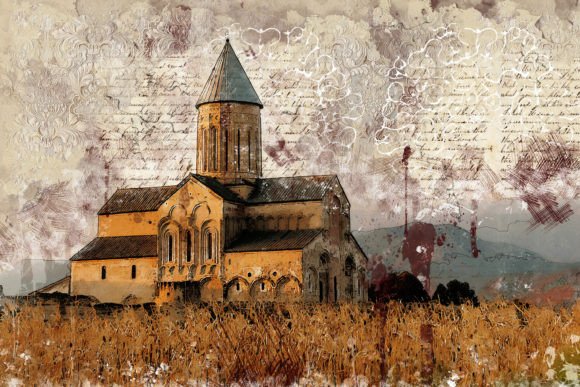
While the convenience of downloadable graphics is undeniable, there are risks associated with relying on them without clear goals. The primary risk is misalignment. If the aesthetic of the graphic does not resonate with your target audience or contradict your brand identity, it can create cognitive dissonance. Always evaluate whether the "places of interest" depicted in the graphic hold relevance to your specific niche.
Another consideration is over-saturation. In a world flooded with visual stimuli, adding more graphics without strategic purpose can lead to clutter. Ensure that each use of the graphic adds value to the user’s experience. Avoid using it merely because it is available; use it because it serves a communicative function.
Additionally, while the file is optimized for direct printing, always perform a test print before committing to large batches. Color calibration on home printers can vary significantly from professional printing centers. Checking a single proof copy ensures that the final output meets your quality standards.
Conclusion: Making Intentional Choices
The decision to utilize Places of Interest Printable Graphic 21 should be rooted in a desire for efficiency and quality. It represents a smart compromise between the high cost of custom design and the low fidelity of free, low-resolution assets. By leveraging this resource, professionals and hobbyists alike can communicate more effectively, enhance their environments, and present themselves with greater polish.
Whether you are a small business owner looking to create memorable marketing materials, an educator seeking engaging visuals, or an individual wishing to beautify your living space, this graphic offers a flexible solution. The key lies in thoughtful application. By aligning the graphic with your strategic goals, selecting the right format, and prioritizing quality in execution, you can transform a simple printable file into a powerful tool for expression and connection.
Do not miss the opportunity to streamline your creative process. Obtain the pack, explore its seven standardized sizes, and integrate it into your workflow. In doing so, you invest not just in a graphic, but in the clarity and elegance of your communication. Thank you for considering this resource as part of your toolkit for success.