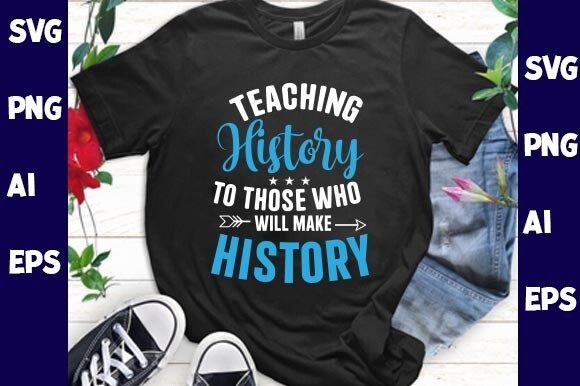
Teaching History to Those Who Will Make: Bridging the Gap Between Past Wisdom and Modern Creation
In an era defined by rapid technological advancement and instant gratification, there is a growing counter-movement toward intentional creation. This shift is not merely about nostalgia; it is about reclaiming agency over how we produce, consume, and value objects in our daily lives. At the heart of this movement lies a powerful concept: Teaching History to Those Who Will Make. This phrase captures the essence of empowering modern creators—whether they are hobbyists, entrepreneurs, or educators—with the context and skills necessary to build meaningful things. It is no longer enough to simply follow instructions; today’s makers need to understand the "why" behind the "what," blending historical insight with digital precision.
This approach resonates deeply with the rise of the maker economy, where individuals are leveraging accessible technology to turn ideas into tangible products. By integrating historical narratives into the design process, creators can move beyond generic templates and produce work that carries weight, story, and authenticity. For those utilizing digital cutting software like Cricut Design Space or Silhouette Studio, this means more than just slicing through vinyl; it involves crafting designs that educate, inspire, and connect with audiences on a deeper level.
The Evolution of the Maker Mindset
The landscape of handmade goods has undergone a significant transformation. What was once confined to local craft fairs and community centers has exploded into a global digital marketplace. Platforms like Etsy have democratized access to customers, allowing anyone with a creative vision to launch a business from their home. However, this accessibility has also led to market saturation. To stand out, creators must offer more than just aesthetically pleasing items; they must offer substance.
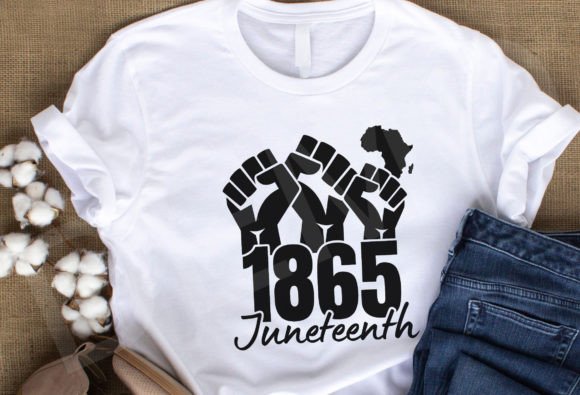
This is where the philosophy of teaching history to those who will make becomes crucial. It encourages makers to look backward to move forward. By understanding the origins of materials, the symbolism in traditional patterns, or the stories behind historical events, creators can infuse their products with layers of meaning. For instance, a wood sign featuring a quote from a historical figure is not just decoration; it is a conversation starter. A tote bag printed with a vintage-inspired graphic invites the user to engage with a specific era or cultural moment. This depth transforms a simple commodity into a keepsake, increasing its perceived value and emotional resonance.
Digital Tools as Bridges to Creativity
Modern technology has lowered the barrier to entry for professional-grade design and production. Software such as Cricut Design Space and Silhouette Studio allows users to convert complex vector graphics into physical reality with minimal effort. These tools are not just machines for cutting; they are extensions of the creator’s imagination. When paired with high-quality digital assets, such as SVG cut files, these platforms enable even beginners to produce polished, commercial-ready products.
The availability of ready-to-use digital artwork streamlines the workflow, allowing creators to focus on strategy and storytelling rather than spending hours drafting designs from scratch. An SVG file, for example, is scalable without losing quality, making it ideal for various applications—from small decals on tumblers to large banners for party decor. This versatility supports a wide range of DIY projects and handmade business product lines, ensuring that creators can experiment with different mediums and price points.
Moreover, the integration of historical themes into these digital files opens up new avenues for niche marketing. Instead of competing in broad categories like "generic home decor," creators can specialize in historically inspired collections. This specificity attracts dedicated audiences who appreciate the narrative behind the product, fostering loyalty and repeat business.
Practical Applications for Creators and Entrepreneurs
The practical implications of combining historical education with digital fabrication are vast. Consider the entrepreneur looking to launch a brand focused on educational gifts. By creating T-shirts, cards, or aprons that feature accurate historical facts or inspirational quotes from past leaders, they cater to teachers, parents, and students who value learning. Similarly, artists can design pillow cases or mugs that celebrate lesser-known historical figures, filling gaps in mainstream representation and appealing to diverse communities.
For bloggers and content creators, this approach offers rich material for storytelling. A blog post about the history of a particular craft technique can be paired with downloadable SVG files, providing immediate value to readers while driving traffic to the creator’s shop. This synergy between content and commerce builds trust and establishes authority in a crowded digital space.
Furthermore, the flexibility of digital files allows for easy customization. Clients can request personalized versions of historical designs, adding names or dates to commemorate special occasions. This personal touch is highly sought after in the gift market, where uniqueness often outweighs price sensitivity. Whether it’s a custom wedding invitation featuring vintage typography or a corporate giveaway item with a company’s historical roots, the possibilities are limited only by creativity.
Understanding the File Formats
To fully leverage these digital resources, it is essential to understand the formats provided. A comprehensive package typically includes multiple file types to ensure compatibility across different devices and software programs. Here is what you can expect when acquiring a high-quality digital artwork set:
- SVG (Scalable Vector Graphics): This is the primary format for cutting machines like Cricut and Silhouette. It allows for infinite scaling without pixelation, ensuring crisp edges and precise cuts. It is perfect for vinyl decals, stencils, and laser engraving.
- PNG (Portable Network Graphics): Ideal for printing on fabric or paper using standard inkjet or laser printers. PNG files support transparency, making them versatile for layering designs in photo editing software.
- AI (Adobe Illustrator): This editable vector file allows designers to modify colors, shapes, and text before exporting to other formats. It is invaluable for professionals who need to customize designs to fit specific branding guidelines.
- EPS (Encapsulated PostScript): Another vector format widely supported by professional design software. It ensures compatibility across different platforms and preserves complex paths and gradients.
Having access to all four formats provides maximum flexibility. You can use the SVG for direct machine cutting, the PNG for quick prints, and the AI/EPS files for extensive redesigns. This multi-format approach saves time and reduces errors, allowing you to focus on bringing your vision to life.
Building a Sustainable Creative Business
Incorporating historical narratives into your product line is not just a creative choice; it is a strategic business decision. Consumers are increasingly conscious of the stories behind the products they buy. They want to support businesses that align with their values, whether that is sustainability, education, or cultural appreciation. By teaching history through your creations, you position yourself as more than just a seller—you become a curator of knowledge and culture.
This perspective encourages sustainable practices. Instead of chasing fleeting trends, you build a library of timeless designs that remain relevant year after year. Historical themes do not expire; they endure. This longevity reduces the pressure to constantly innovate and allows for a more stable, predictable revenue stream. Additionally, it fosters a sense of community among buyers who share an interest in history, leading to stronger customer relationships and organic word-of-mouth marketing.
Embracing the Future of Handmade
The intersection of history and technology represents the future of handmade goods. As automation continues to reshape industries, the human element—the story, the emotion, the connection—becomes the most valuable asset. By embracing tools like Cricut Design Space and Silhouette Studio, and by grounding your designs in meaningful historical contexts, you create products that resonate deeply with people.
This journey requires curiosity and respect for the past, but the rewards are substantial. You gain the ability to teach, inspire, and connect with others through the art of making. Whether you are designing a single project for yourself or building a full-scale business, the principle remains the same: empower those who will make. Provide them with the right tools, the right files, and the right stories, and watch as they transform simple materials into lasting legacies.
As you explore your own creative potential, remember that every cut, print, and stitch is an opportunity to share a piece of history. Let your designs speak to the past while pointing toward the future. In doing so, you contribute to a richer, more thoughtful creative ecosystem—one where making is not just a task, but a meaningful act of preservation and innovation.