Hanley Script Font Review: A Sophisticated Choice for Elegant Design Projects
In the landscape of digital typography, selecting the right typeface is rarely just about legibility; it is about conveying tone, establishing hierarchy, and evoking an emotional response. Among the myriad of script fonts available to designers, Hanley has emerged as a compelling option for those seeking a balance between traditional elegance and modern clarity. It is not merely a decorative element but a functional tool that can elevate branding, editorial layouts, and personal stationery with a distinct sense of refined grace.
This review examines Hanley from a practical design perspective, analyzing its visual characteristics, usability across various mediums, and suitability for professional applications. Whether you are a freelance graphic designer crafting a wedding invitation suite or a small business owner developing a luxury brand identity, understanding the specific strengths and limitations of this typeface is crucial for making informed typographic decisions.
Visual Characteristics and Design Philosophy
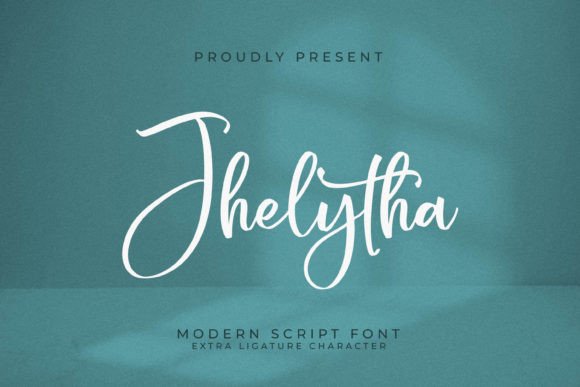
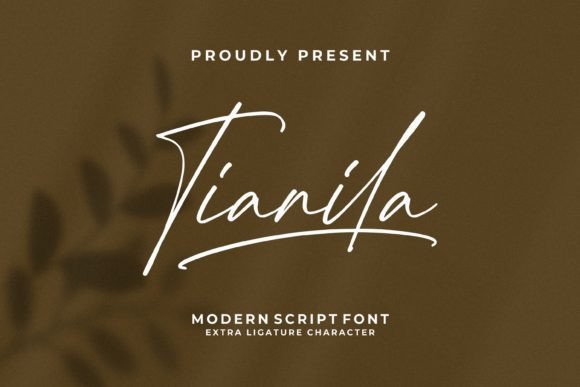
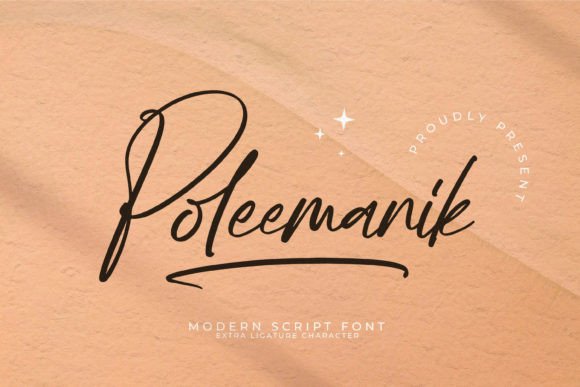
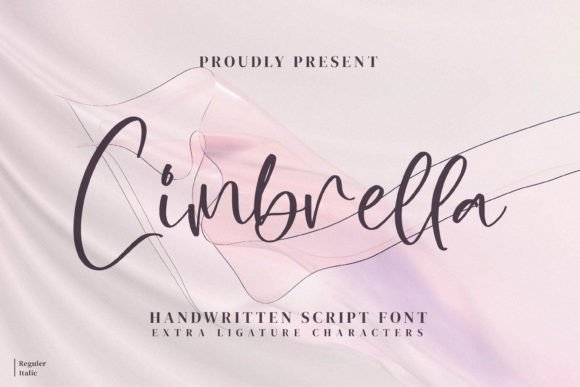
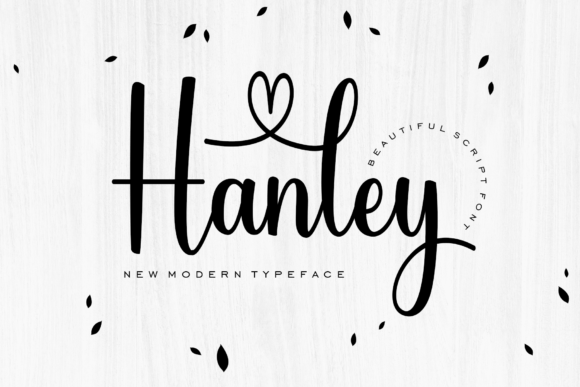
Hanley is classified as a beautifully crafted script font, characterized by its flowing, cursive letterforms. Unlike many script fonts that prioritize extreme stylization at the expense of readability, Hanley strikes a careful balance. Its delicate lines and subtle curves capture the essence of classic calligraphy while maintaining a fresh, contemporary feel. This duality is its primary selling point: it feels timeless yet relevant in current design trends.
The font’s architecture relies on consistent stroke weight modulation, which gives it a natural hand-written quality without appearing erratic. The connections between letters are smooth, suggesting a fluid motion that mimics the pressure of a nib pen on paper. This attention to detail ensures that the text does not feel static or digitally generated but rather organic and human. For designers, this organic quality is essential when trying to convey warmth, intimacy, or high-end sophistication.
Furthermore, the character set includes well-proportioned capitals and lowercase forms that interact harmoniously. The x-height is generous enough to ensure legibility even at smaller sizes, a critical factor often overlooked in script typography. This makes Hanley more versatile than purely decorative scripts, allowing it to function effectively in body text scenarios where other scripts might fail due to visual fatigue.
Practical Applications and Use Cases
The versatility of Hanley allows it to be deployed across a wide range of design contexts. Its inherent elegance makes it particularly well-suited for industries where presentation and aesthetic appeal are paramount. Below are several key areas where Hanley demonstrates significant value:
- Wedding and Event Stationery: The most obvious application for Hanley is in wedding invitations, save-the-dates, and place cards. Its romantic and formal nature aligns perfectly with the expectations of such events. When paired with a clean sans-serif for logistical details like dates and locations, Hanley serves as an excellent headline font that draws the eye without overwhelming the reader.
- Luxury Branding: For businesses in the beauty, fashion, or artisanal food sectors, Hanley can serve as a primary logo font or a secondary accent typeface. Brands aiming to communicate heritage, craftsmanship, or exclusivity will find its sophisticated curves advantageous. It helps establish a visual identity that feels established and trustworthy.
- Editorial and Publishing: In magazine layouts or blog headers, Hanley can be used to create visual interest in pull quotes or section dividers. Its ability to add a touch of personality to otherwise stark layouts makes it a valuable asset for editors looking to break up dense text blocks.
- Social Media Graphics: With the rise of visually driven platforms like Instagram and Pinterest, Hanley offers a ready-made solution for creating elegant quote graphics or promotional posts. Its readability at various scales ensures that messages remain clear even when viewed on mobile devices.
Usability and Technical Performance
From a technical standpoint, Hanley performs reliably across different software environments and output formats. One of the common pitfalls in using script fonts is poor kerning or awkward ligature handling, which can disrupt the flow of text. Hanley mitigates this through thoughtful spacing and intelligent glyph substitution. The default kerning pairs are generally well-adjusted, reducing the need for extensive manual tweaking by the user.
However, users should remain mindful of the font’s limitations. While Hanley is robust, it is still a script font, meaning it requires more whitespace and careful layout management compared to geometric or humanist sans-serifs. Overusing Hanley in dense paragraphs can lead to readability issues, causing eye strain for the viewer. It is best employed as a display font—used sparingly to highlight key information rather than carrying the bulk of the textual content.
Another aspect of usability is compatibility. Hanley is designed to work seamlessly with a variety of complementary typefaces. Pairing it with minimalist sans-serifs creates a striking contrast that highlights the script’s ornamental qualities. Similarly, pairing it with serif fonts can enhance its classical appeal, creating a cohesive look that feels both modern and rooted in tradition. This flexibility allows designers to experiment with different combinations while maintaining a unified aesthetic.
Audience Fit and Professional Considerations
Who benefits most from incorporating Hanley into their workflow? The answer depends largely on the target audience and the message being conveyed. For professionals serving clients in the lifestyle, event planning, or creative arts sectors, Hanley is a strong addition to their toolkit. It speaks directly to consumers who value aesthetics and perceive certain typographic styles as indicators of quality and care.
For educators and bloggers, Hanley can be used to add a personal touch to course materials or newsletter headers. It helps humanize digital content, making it feel less corporate and more approachable. However, for tech startups or financial institutions where clarity and neutrality are prioritized, Hanley may be too ornate and distracting. In such cases, a more neutral typeface would likely serve the communication goals better.
It is also worth noting the long-term value of Hanley. Trends in typography come and go, but classic script styles tend to endure. Because Hanley avoids overly trendy quirks in favor of timeless elegance, it is less likely to appear dated in a few years’ time. This longevity makes it a prudent investment for brands looking to build a lasting identity.
Potential Limitations and Best Practices
No single typeface is a universal solution, and Hanley is no exception. Designers must be cautious about overuse. Using Hanley for entire sentences or large blocks of text can result in a cluttered and difficult-to-read layout. The rule of thumb is to use it for short phrases, titles, or names where its decorative qualities can shine without compromising comprehension.
Additionally, color choice plays a significant role in how Hanley is perceived. Lighter colors on light backgrounds may reduce legibility, especially at smaller sizes. Conversely, dark ink on white paper maximizes the contrast needed to appreciate the delicate lines of the font. Testing the font at actual usage sizes is essential to ensure that the subtleties of the design are preserved.
Finally, accessibility should always be a consideration. While Hanley is elegant, it may not meet strict accessibility standards for all users, particularly those with visual impairments. It is important to provide sufficient contrast and consider alternative text options for critical information. By balancing aesthetic appeal with functional requirements, designers can use Hanley effectively without alienating any segment of their audience.
Conclusion
Hanley stands out as a sophisticated and versatile script font that bridges the gap between classic calligraphy and contemporary design needs. Its flowing forms and refined details make it an ideal choice for projects requiring a touch of elegance, from wedding invitations to luxury branding. While it requires careful handling to maintain readability, its impact on the overall aesthetic of a design is undeniable. For professionals seeking to add a layer of timeless charm to their work, Hanley offers a reliable and visually appealing solution that enhances communication through style and substance.