Elevating Brand Identity: Why Jhelytha is the Modern Choice for Premium Design Projects
In an era where visual communication moves at the speed of a scroll, the distinction between a good brand and a great one often lies in the subtle details. For professionals, creators, entrepreneurs, and marketers, typography is no longer just about readability; it is a primary vehicle for emotional connection and brand personality. As consumer expectations shift toward authenticity, luxury, and personalized experiences, the demand for high-quality, versatile typefaces has never been higher. Enter Jhelytha, a modern script font that has quickly become a favorite among designers seeking to infuse their projects with a premium taste without sacrificing functionality.
The Evolution of Script Typography in Digital and Physical Media
Script fonts have long held a place of prestige in design history, traditionally associated with elegance, handwriting, and human touch. However, the digital revolution brought with it a surge in sans-serif minimalism, often pushing decorative scripts to the margins as "too busy" or "hard to read." Today, we are witnessing a significant resurgence and evolution of this category. The current market trend favors typefaces that bridge the gap between organic hand-lettering and clean, geometric precision. This hybrid approach allows brands to feel personal yet polished—a crucial balance in today’s crowded marketplace.
Jhelytha fits perfectly into this forward-looking landscape. It is not merely a novelty font; it is a sophisticated tool designed for modern applications. Its sleek lines and contemporary flair make it suitable for everything from high-end branding projects to everyday homeware designs. By understanding the shift in consumer preferences—where people crave tangible quality in both digital interfaces and physical products—designers can leverage fonts like Jhelytha to create cohesive narratives across all touchpoints.
Defining Jhelytha: A Versatile Asset for Luxury Projects
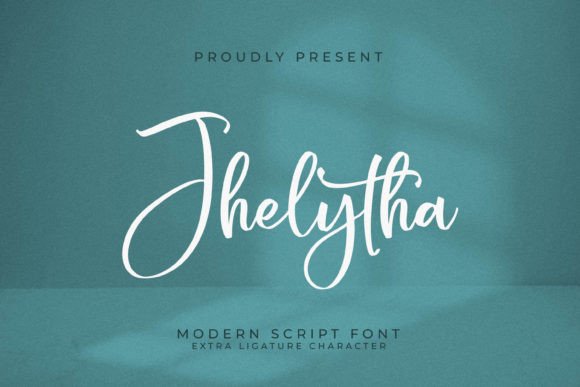
At its core, Jhelytha is a modern script font engineered for versatility and impact. Unlike traditional calligraphic fonts that can appear dated or overly ornate, Jhelytha offers a streamlined aesthetic that complements minimalist layouts while adding a layer of sophistication. It is specifically crafted to handle a wide array of use cases, making it an indispensable asset for freelancers and agencies alike.
The font’s adaptability is evident in its application across various industries:
- Branding and Logos: For startups and established businesses looking to convey elegance and trust, Jhelytha provides a distinctive mark that stands out in competitive sectors like fashion, beauty, and hospitality.
- Product Packaging: In the retail space, shelf appeal is paramount. Whether applied to cosmetic bottles, artisanal food labels, or luxury shopping bags, the fluidity of Jhelytha enhances the perceived value of the product.
- Apparel and Merchandise: T-shirts, mugs, and other promotional items benefit from the legibility and style of Jhelytha, allowing brands to maintain their identity even on three-dimensional surfaces.
- Editorial and Print: From book covers and business cards to invitation cards and greeting cards, the font adds a touch of exclusivity that print materials inherently possess.
Furthermore, Jhelytha excels in photography and watermarking. As content creation becomes increasingly saturated, protecting intellectual property while maintaining aesthetic integrity is vital. Using Jhelytha as a watermark allows photographers and artists to sign their work with a signature-like elegance that does not detract from the image itself.
Technical Excellence: The Advantage of PUA Encoding
While aesthetic appeal drives initial interest, technical robustness ensures long-term usability. One of the most compelling features of Jhelytha is its PUA (Private Use Area) encoding. For those unfamiliar with typographic technicalities, PUA encoding is a method that allows designers to access additional glyphs, swashes, and special characters that are not part of the standard character set.
Why does this matter? In creative workflows, flexibility is key. Standard fonts often limit designers to a fixed set of characters, requiring workarounds or multiple font files to achieve specific stylistic effects. With Jhelytha’s PUA encoding, users can access all available glyphs and swashes with ease directly within their design software. This means:
- Seamless Integration: Designers can switch between standard letters and decorative swashes without changing font families, ensuring consistent kerning and spacing.
- Enhanced Creativity: The ability to easily insert unique ligatures and ornaments allows for more intricate and customized designs, particularly useful for logos and headers.
- Workflow Efficiency: Reducing the need to manage multiple font files streamlines the design process, saving time and reducing file size complications when sharing projects with clients or developers.
This technical consideration reflects a broader industry move towards user-centric design tools. Professionals expect software and assets to facilitate creativity rather than hinder it. By offering full glyph access through PUA encoding, Jhelytha respects the workflow of modern designers who demand efficiency alongside beauty.
Meeting Changing Consumer Expectations
The relevance of a font like Jhelytha extends beyond its technical specs or visual appeal; it addresses a fundamental shift in how consumers interact with brands. Today’s audience, particularly Millennials and Gen Z, values transparency, craftsmanship, and individuality. They are drawn to brands that tell a story and demonstrate attention to detail.
When a customer picks up a product packaged with Jhelytha, or views a business card printed with its elegant curves, they subconsciously register quality. The font acts as a visual cue for premium service and thoughtful design. In the context of special events, such as weddings or corporate galas, invitations featuring Jhelytha set the tone for an exclusive experience before the event even begins. This psychological association between typography and perceived value is why marketers are increasingly investing in high-quality type assets.
Moreover, the rise of direct-to-consumer (DTC) brands has intensified the need for strong visual identities. These brands often lack the physical presence of legacy corporations, so their packaging, social media graphics, and websites must do the heavy lifting. Jhelytha serves as a powerful ally in this effort, providing a consistent thread of luxury that ties together disparate marketing channels.
Practical Applications for Creators and Entrepreneurs
For freelancers and small business owners, choosing the right tools can make the difference between a mediocre project and a standout portfolio piece. Here are several practical ways to integrate Jhelytha into your current workflow:
1. Personal Branding for Freelancers
If you are a photographer, writer, or consultant, your personal brand is your business. Use Jhelytha for your logo, email signatures, and proposal templates. The font’s professional yet artistic nature helps position you as a creative expert who understands design principles.
2. E-commerce Product Listings
For entrepreneurs selling on platforms like Etsy or Shopify, product images are critical. Overlaying quotes or product names using Jhelytha can enhance the visual hierarchy of your listings. Ensure that the contrast is sufficient for readability, but let the font’s elegance draw the eye.
3. Social Media Content Strategy
Social media algorithms favor engaging visuals. Create quote graphics, announcements, or promotional banners using Jhelytha. Its scalability means it looks crisp on both mobile screens and desktop feeds. Pair it with minimalist backgrounds to let the typography shine, adhering to the current trend of "quiet luxury" in digital design.
4. Event Marketing
Whether organizing a workshop, a launch party, or a community meetup, Jhelytha is ideal for creating digital and physical invites. The font’s inherent formality makes it appropriate for serious events, while its modern twist keeps it feeling fresh and relevant.
Looking Ahead: The Future of Typography in Design
As we look to the future, the role of typography will only grow in importance. With the advent of variable fonts and AI-assisted design tools, the customization of type is becoming more accessible than ever. However, the human element—the choice of a font that resonates emotionally—remains irreplaceable. Jhelytha represents a step in this direction by combining technical innovation with timeless aesthetic appeal.
Designers who adopt versatile, high-quality fonts like Jhelytha are positioning themselves to meet the demands of a market that values speed without compromising on quality. As remote work and global collaboration continue to shape the creative industry, having a reliable toolkit of premium assets is essential. Jhelytha, with its broad range of applications and robust encoding, offers exactly that.
Conclusion
In conclusion, Jhelytha is more than just a font; it is a strategic design element that bridges the gap between tradition and modernity. Its ability to enhance logos, packaging, digital media, and print materials makes it a valuable addition to any designer’s arsenal. By leveraging its PUA-encoded features and understanding its place in the current cultural landscape, professionals can create work that not only looks beautiful but also communicates the right message to the right audience.
For those seeking to elevate their projects with a premium taste, Jhelytha offers the perfect blend of style, functionality, and versatility. As the design world continues to evolve, staying ahead of the curve means choosing tools that empower creativity and resonate with consumers. Jhelytha is ready to help you do just that.